
What Makes Honey Truly "Raw"?
Most grocery store honey is heavily pasteurized and filtered. Here is how real apiary honey is different:
Never Overheated
Real raw honey stays below 104°F (natural hive temperature). Supermarket honey is heated to 160°F+, which destroys delicate living enzymes and floral aromas.
Gravity Strained Only
We gently strain through coarse mesh to catch stray wax cappings. We never force honey through high-pressure micro-filters that strip away natural pollen.
All Pollen Intact
Natural pollen grains, propolis resins, and active enzymes remain 100% inside every jar. Nothing is added, and nothing good is removed.
Can Local Honey Help With Seasonal Allergies?
Many people in Oregon buy honey produced close to where they live to help ease seasonal allergies. Here is what is happening behind the scenes:
The Idea: Natural Micro-Dosing
Bees collect nectar from local flowers and bring back microscopic bits of regional pollen. Ingesting small amounts of local raw honey daily is thought to help build your body's tolerance to local plant allergens over time.
What Studies Actually Show
Clinical research is mixed. Airborne allergies (sneezing, itchy eyes) are mostly caused by lightweight, wind-blown pollens from trees (alder, oak) and grass. Bees visit bright flowers (blackberry, clover), which produce heavier pollen that rarely drifts through the air.
The Bottom Line:
Local honey is not an FDA-approved medicine or an instant cure for allergies. But choosing raw, unheated honey harvested near you ensures you get authentic local floral pollen, active digestive enzymes, and anti-inflammatory compounds that commercial grocery honey simply does not have.
Our Oregon Honey Varietals
The taste and color come directly from the flowers our bees pollinate:
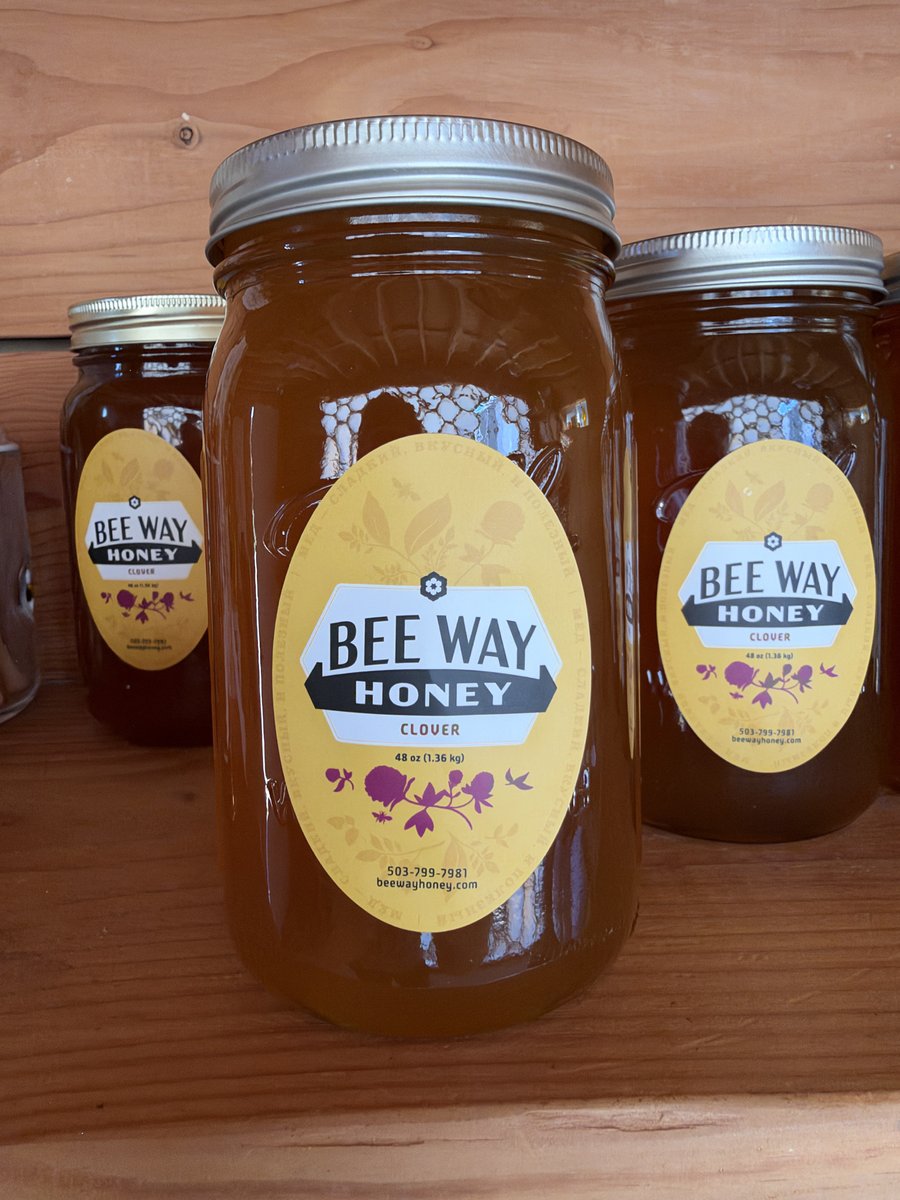
Raw Clover Honey
Light Golden • Mild & Sweet
Clean, delicate, and buttery smooth. The family favorite for sweetening morning tea, yogurt, and fresh fruit without overpowering them.
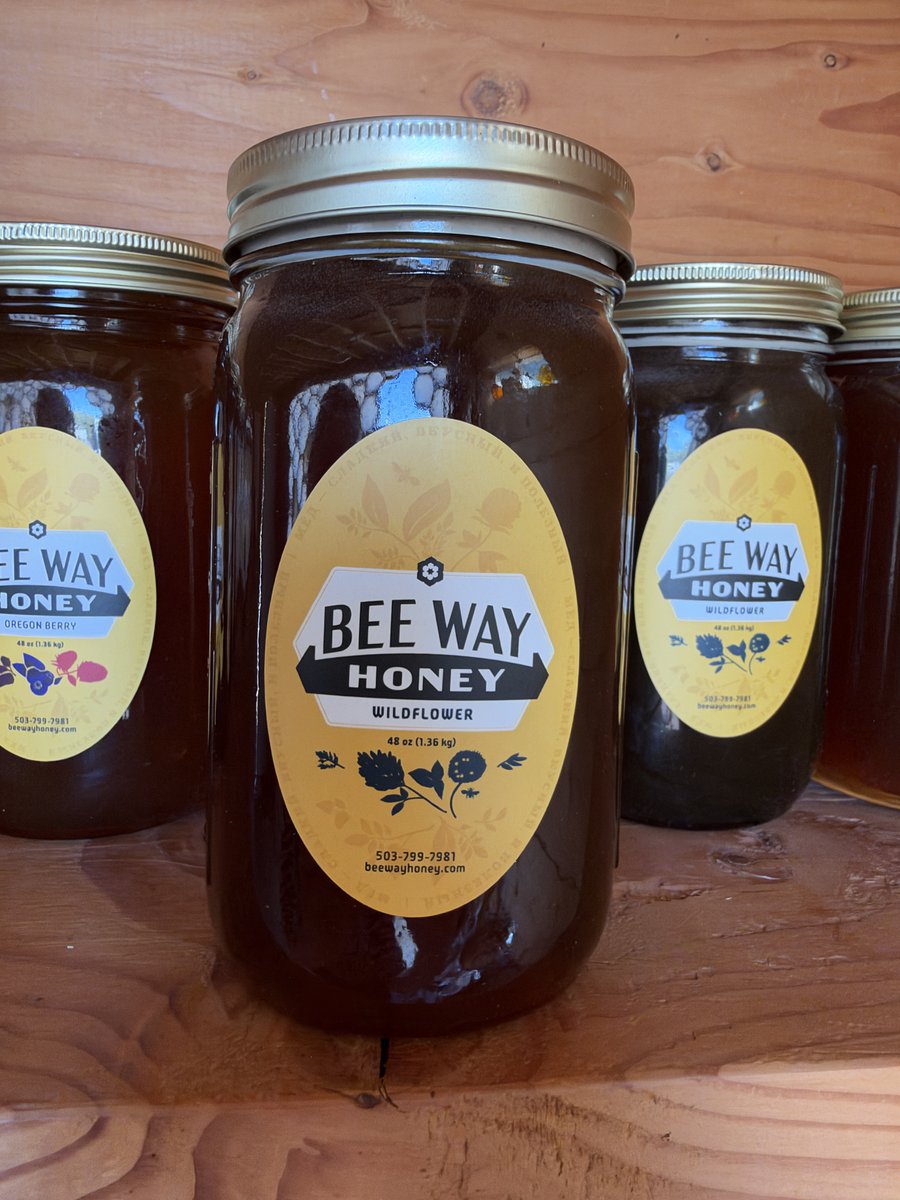
Raw Wildflower Honey
Warm Amber • Rich & Floral
Gathered from diverse meadow blooms across Damascus and Clackamas County. Richer body with complex, layered botanical flavor.
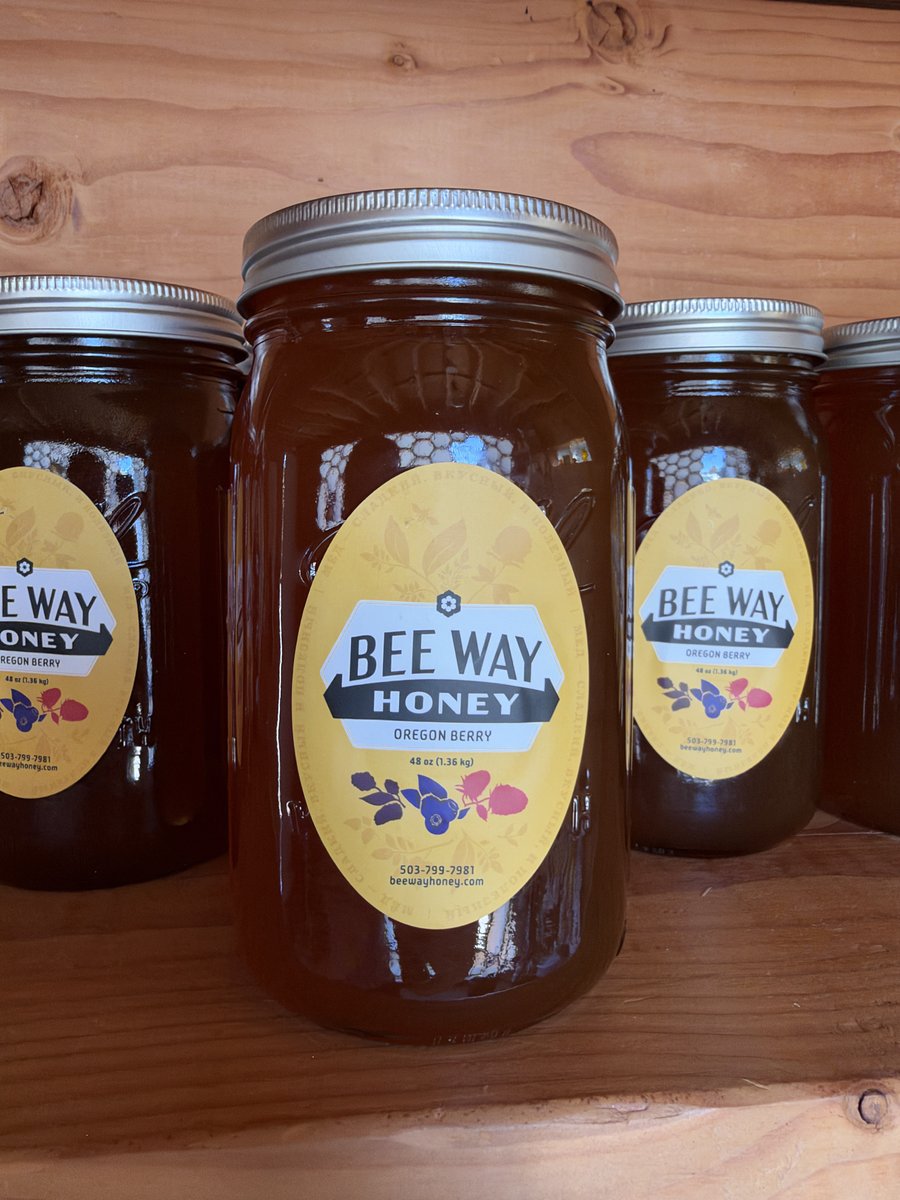
Raw Berry Blossom
Dark Amber • Bold & Fruity
Harvested from Willamette Valley blackberry and caneberry pollination. Robust, molasses-like depth with subtle tart berry undertones.
Why Honey Crystallizes (And How to Soften It)
If your honey turns solid, thick, or grainy, do not throw it out! Crystallization is completely natural and is definitive proof that your honey is 100% pure and unheated.
Honey contains natural glucose and fructose. Over time, the glucose forms crystals around tiny pollen particles. Ultra-filtered store honey stays liquid only because the pollen has been stripped away.
How to Reliquefy Honey:
- Place the jar in a bowl of warm water (around 100°F) for 15–20 minutes.
- Stir gently with a clean, dry spoon until smooth.
- Never microwave raw honey: High microwave heat kills the beneficial living enzymes in seconds.
- Storage: Keep at room temperature in your cupboard. Never keep honey in the fridge (cold speeds up crystallization).
Ready to Taste Pure Oregon Honey?
Pickup is available at our Damascus apiary Monday through Saturday by advance appointment. Call or text ahead to schedule.
17496 SE Hemrich Rd, Damascus, OR 97089